Ultimate Guide to AC Axial Fans: Performance vs DC Fans Comparison 2025
Introduction: The Critical Role of Cooling in Modern Industry
In today’s demanding industrial environments, system failures due to overheating remain one of the top causes of equipment downtime and costly repairs. Whether it’s a mission-critical radar system, marine electronics exposed to harsh salt spray, or HVAC systems maintaining optimal building conditions, the choice between AC and DC cooling solutions can determine the difference between reliable operation and catastrophic failure.
As global supply chains become increasingly complex and equipment operates in more challenging environments, industrial engineers and procurement managers face a critical decision: which fan technology delivers the optimal balance of performance, reliability, and total cost of ownership?
AC Axial Fans: The Industrial Workhorse
What Are AC Axial Fans?
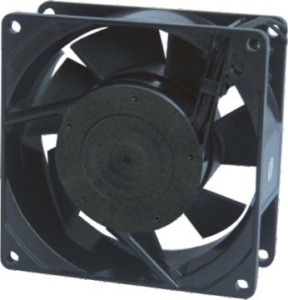
AC axial fans utilize alternating current motors to drive air parallel to the fan’s axis of rotation. These robust cooling solutions have been the backbone of industrial ventilation for decades, offering proven reliability in applications ranging from telecommunications equipment to naval defense systems.
Key Technical Advantages of AC Axial Fans:
1. High Airflow Capacity AC axial fans excel in high-volume air movement applications. For example, SenharFans’ 254mm AC axial fan delivers up to 850 CFM at free air conditions, making it ideal for large enclosure cooling and industrial ventilation systems.
2. Robust Construction Built with aluminum frames and precision-engineered components, AC axial fans withstand harsh operating conditions:
- Operating temperature range: -40°C to +75°C
- Humidity resistance up to 95% RH
- Vibration resistance meeting military standards
- Salt spray resistance for marine applications
3. Proven Reliability With fewer electronic components compared to EC fans, AC axial fans offer:
- Mean Time Between Failures (MTBF) exceeding 50,000 hours
- Simplified maintenance requirements
- Lower initial component costs
- Field-repairable design
Performance Analysis: AC vs DC Comparison
Power Consumption and Efficiency
While DC fans typically offer 20-30% better energy efficiency, AC axial fans provide superior performance in specific scenarios:
| Parameter | AC Axial Fan | DC/EC Fan |
|---|---|---|
| Initial Cost | Lower | Higher |
| Energy Efficiency | 65-75% | 80-90% |
| Control Complexity | Simple | Complex |
| EMI/RFI Sensitivity | Low | Higher |
| Maintenance | Minimal | Moderate |
When AC Axial Fans Outperform DC Solutions:
1. High Static Pressure Applications AC axial fans maintain consistent performance under high back-pressure conditions typical in:
- Dense server rack cooling
- Filter-equipped ventilation systems
- Ductwork with multiple bends
2. Harsh Environment Applications AC motors demonstrate superior resilience in:
- Military and aerospace applications
- Marine and offshore installations
- Industrial environments with temperature extremes
3. EMI-Sensitive Systems AC fans generate minimal electromagnetic interference, crucial for:
- Radar and communication systems
- Medical equipment
- Precision instrumentation
SenharFans AC Axial Fan Product Line: Specifications and Applications
Small Form Factor Solutions (60mm-80mm)
- Model 6030A: 19.5 CFM, 31.5 dBA – Perfect for compact electronics cooling
- Model 8025A: 31.2 CFM, 35 dBA – Control cabinet ventilation
- Model 8038A: 47.8 CFM, 38 dBA – Telecommunications equipment
Mid-Range Performance (90mm-120mm)
- Model 9225A: 76.4 CFM, 39 dBA – Server cooling applications
- Model 12038A: 115 CFM, 43 dBA – HVAC system integration
- Model 12025A: 95 CFM, 40 dBA – Industrial automation cooling
Heavy-Duty Industrial (150mm-254mm)
- Model 17251A: 250 CFM, 52 dBA – Large enclosure ventilation
- Model 22580A: 520 CFM, 58 dBA – Industrial process cooling
- Model 25489A: 850 CFM, 62 dBA – Commercial HVAC systems
Application-Specific Performance Advantages
HVAC Systems and Building Ventilation AC axial fans provide consistent airflow across varying static pressure conditions common in HVAC applications. The robust AC motor design handles:
- Seasonal temperature variations
- Dust and particle accumulation
- Variable speed requirements via damper control
Control Cabinet and Electronics Cooling For mission-critical electronics protection, AC axial fans offer:
- Predictable thermal performance
- EMI/RFI immunity
- Long-term reliability without electronic controller failure
Marine and Naval Applications In harsh maritime environments, AC axial fans demonstrate superior:
- Corrosion resistance with specialized coatings
- Salt spray tolerance (96+ hours testing)
- Mechanical durability under ship vibration
Radar and Communication Systems AC fans provide electromagnetic compatibility essential for:
- Signal integrity maintenance
- Reduced system interference
- Compliance with military EMC standards
Total Cost of Ownership Analysis
Initial Investment Considerations
- AC axial fans: 30-40% lower initial cost
- Simplified installation (direct AC connection)
- No external controllers required
- Standard electrical infrastructure compatibility
Operational Cost Factors While DC fans offer energy savings, consider:
- AC fan reliability reduces replacement costs
- Lower maintenance labor requirements
- Reduced spare parts inventory complexity
- Minimal electronic failure modes
Lifecycle Cost Calculation Example: 10-year comparison for industrial cooling application:
- AC Fan: 200initial+200 initial + 1,800 energy = $2,000 total
- DC Fan: 350initial+350 initial + 1,200 energy + 400controllerreplacement=400 controller replacement = 1,950 total
The cost difference narrows significantly when considering real-world factors.
Quality Standards and Certifications
SenharFans Manufacturing Excellence Our AC axial fans meet rigorous quality standards:
- GJB9001C-2017 quality management certification
- Military-grade component selection and testing
- Environmental testing per GJB 150 standards
- Class II confidentiality qualification for defense applications
International Compliance
- CE marking for European markets
- RoHS compliance for environmental standards
- UL recognition for North American applications
- ISO 9001 quality management system
Selection Guidelines: Choosing the Right AC Axial Fan
Step 1: Define Performance Requirements
- Required airflow (CFM/m³/h)
- Static pressure conditions
- Operating temperature range
- Noise level constraints
Step 2: Environmental Assessment
- Humidity and contamination levels
- Vibration and shock requirements
- EMC/EMI sensitivity considerations
- Installation space constraints
Step 3: Application-Specific Features
- Speed control requirements
- Redundancy and backup needs
- Maintenance accessibility
- Integration complexity
Why Choose SenharFans as Your AC Axial Fan Supplier
Engineering Excellence
- 5+ years of specialized thermal management experience
- Partnership with Nanjing University of Aeronautics and Astronautics
- 12 dedicated engineers focused on cooling innovation
- Custom design capability for unique requirements
Manufacturing Capabilities
- Complete product line: 60mm to 254mm fan sizes
- Quality control: 48-hour aging tests for every unit
- Fast delivery: 3-4 week standard lead times
- Volume capacity: 10,000+ units monthly production
Market Proven Solutions Our AC axial fans serve leading organizations:
- China Electronics Technology Group (radar systems)
- China Aerospace (satellite cooling)
- China Shipbuilding Industry (naval applications)
- Research institutes nationwide (defense projects)
OEM/ODM Partnership Benefits
- Custom specifications to match exact requirements
- Private labeling options available
- Technical support throughout product lifecycle
- Competitive pricing for volume commitments
Future Trends: AC Axial Fan Technology Evolution
Advanced Materials Integration
- Nano-coatings for enhanced corrosion resistance
- Composite materials reducing weight while maintaining strength
- Smart materials enabling self-monitoring capabilities
Performance Optimization
- Blade design improvements increasing efficiency
- Noise reduction technologies for sensitive applications
- Extended temperature ranges for extreme environments
Conclusion: Making the Strategic Choice
While DC and EC fans offer compelling energy efficiency advantages, AC axial fans remain the optimal choice for applications prioritizing reliability, initial cost, and electromagnetic compatibility. The decision ultimately depends on your specific application requirements, environmental conditions, and total cost of ownership calculations.
For mission-critical cooling, harsh environment applications, and EMI-sensitive systems, AC axial fans provide the proven performance and reliability that industrial engineers can depend on.
Ready to Optimize Your Cooling Strategy?
SenharFans’ engineering team stands ready to help you select the perfect AC axial fan solution for your specific application.
Our technical experts provide:
- ✅ Free thermal analysis and fan selection
- ✅ Custom design services for unique requirements
- ✅ Rapid prototyping and testing capabilities
- ✅ Complete technical documentation and support
Contact us today for:
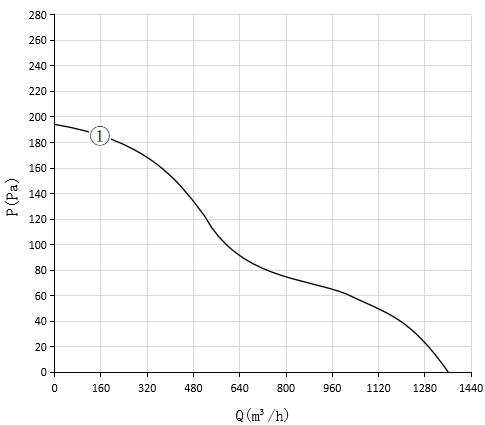
- Technical specifications and performance curves
- Custom quote for your application
- Free samples for evaluation testing
- Engineering consultation and design review
📧 Email: sales@senharfans.com
🌐 Website: www.senharfans.com
📞 Direct Technical Support: Request immediate callback
Transform your cooling challenges into competitive advantages with SenharFans AC axial fan solutions.