3510A DC Axial Fan: Compact Cooling with High Static Pressure
In compact electronic equipment, selecting a cooling fan involves more than finding a model that fits the available space. Engineers must also consider airflow, static pressure, power consumption, noise, control requirements, and the operating environment.
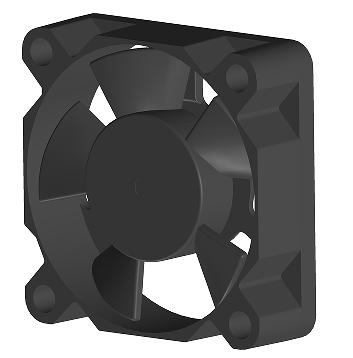
The 3510A DC Axial Flow Fan from SenharFans is designed for space-constrained cooling applications. With a compact 35.0 × 35.0 × 10.3 mm profile and multiple speed and voltage configurations, the 3510A series offers options for equipment that requires a balance between installation space and cooling performance.
For detailed specifications and available configurations, visit the 3510A DC Axial Flow Fan product page.
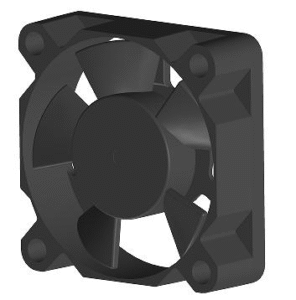
1. Compact Design for Space-Constrained Equipment
Electronic assemblies are becoming increasingly compact, making thermal management more challenging. A small fan must fit the installation space while delivering suitable airflow through the equipment’s internal passages.
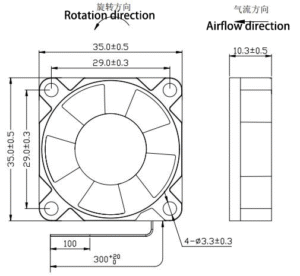
The 3510A fan measures 35.0 × 35.0 × 10.3 mm, making it a potential option for compact electronic enclosures, communication equipment, control units, and high-density assemblies.
Its structural features include:
- Engineering-plastic frame and impeller
- Dual ball bearing system
- Approximate weight of 13.0 g
- Multiple rotational-speed configurations
The dual ball bearing design provides a bearing option for applications that require continuous fan operation. Actual service life and suitability depend on the selected configuration, installation, operating conditions, and applicable test results.
2. Balancing Airflow and Static Pressure
Airflow and static pressure are two important factors in cooling fan selection, but they describe different aspects of performance.
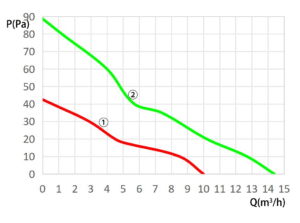
Airflow indicates the volume of air the fan can move under specified test conditions. Static pressure indicates the fan’s ability to overcome resistance within the cooling system, such as that created by narrow air passages, filters, heat sinks, and densely arranged components.
The 3510A series offers different performance configurations, with listed values including:
- Rotational speed: 9,000–13,000 RPM
- Maximum airflow: up to 14.4 m³/h
- Maximum static pressure: up to 88.7 Pa
- Noise level: as low as 33.8 dBA
These figures represent performance options across the series and should not be interpreted as simultaneous results from one configuration. Engineers should consult the specifications and airflow-pressure curve for the selected model when evaluating cooling performance.
For equipment with significant airflow resistance, comparing the fan’s performance curve with the system resistance is more useful than selecting a fan based on its maximum free-airflow rating alone.
3. Voltage and Speed Options for Different Requirements
Different electronic systems operate with different power-supply requirements. The 3510A series includes 12 V and 28 V configurations, with 5 V, 24 V, and 48 V options potentially available depending on the model.
Rotational speed also affects cooling performance. Higher-speed configurations may provide greater airflow and static pressure, but they can also increase noise and power consumption.
When selecting a fan, engineers should consider:
- The equipment’s available supply voltage
- Required airflow and static pressure at the operating point
- Acceptable noise levels
- Power consumption limits
- Temperature and installation conditions
The most suitable configuration is the one that meets the system’s actual cooling requirements, rather than simply the one with the highest rated speed.
4. Optional Fan Control and Monitoring Functions
Fan control and feedback functions can help equipment designers regulate cooling and monitor fan operation.
Depending on the selected configuration, the 3510A series can offer:
- PWM speed control: Allows the host system to command fan speed through a compatible PWM signal.
- Tachometer (FG) feedback: Provides a signal that can be used to monitor rotational speed.
- Fault alarm: Provides a status signal for compatible monitoring circuits.
- Combined functions: Certain configurations combine PWM control with tachometer feedback or a fault alarm.
- No signal function: Available where external speed monitoring or control is not required.
Signal interfaces and electrical characteristics should be confirmed for the exact model before integrating the fan into a control system.
5. Considering Environmental Requirements
Cooling fans used in industrial, vehicle-mounted, and marine electronic equipment may face environmental conditions beyond those found in ordinary indoor applications.
Depending on the application and selected configuration, engineers may need to evaluate:
- High- and low-temperature operation
- Humidity and damp-heat exposure
- Rain or salt-spray exposure
- Sand and dust
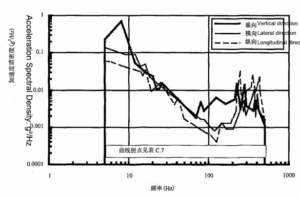
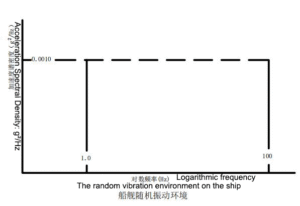
- Shock, vibration, and acceleration
- Electromagnetic compatibility and power-supply requirements
The required environmental performance should be defined before choosing the fan. Where GJB standards or other formal requirements apply, the specific standard, test method, model configuration, and supporting documentation should be confirmed with the manufacturer.
Environmental test results for one configuration should not automatically be assumed to apply to every version of the 3510A series.
6. Potential Applications of the 3510A DC Axial Fan
Based on its compact dimensions and available performance options, the 3510A series may be considered for applications such as:
- Compact electronic enclosures
- Communication and control equipment
- Vehicle-mounted electronic systems
- Shipborne electronic equipment
- Power modules and high-density assemblies
- Industrial equipment with limited installation space
Final suitability depends on the required operating point, available installation space, electrical interface, environmental conditions, and the specifications of the selected fan.
7. What Should Engineers Confirm Before Ordering?
Before selecting a 3510A configuration, it is helpful to define the main requirements of the cooling system.
Recommended selection checklist:
- Dimensions and mounting: Confirm the available space, mounting arrangement, and required airflow direction.
- Electrical requirements: Specify rated voltage and acceptable power consumption.
- Cooling performance: Provide the target airflow and static pressure, if known.
- Control interface: Identify whether PWM control, speed feedback, or a fault alarm is required.
- Operating environment: Specify temperature, humidity, vibration, dust, salt spray, or other applicable conditions.
- Documentation: Identify any required performance curves, environmental test reports, or compliance documentation.
Providing these details helps the manufacturer assess which configuration is appropriate for the intended application.
Explore the SenharFans 3510A DC Axial Flow Fan
The SenharFans 3510A DC axial fan combines a compact form factor with multiple performance and signal-function options for electronic cooling applications.
To review the available configurations and technical specifications, visit the 3510A DC Axial Flow Fan product page.
For technical inquiries or quotations, contact SenharFans:
Email: sales@senharfans.com
Website: https://senharfans.com/
Share your voltage, airflow, static pressure, control interface, and environmental requirements to help identify a suitable configuration for your project.