High-End Cooling Fans: Beyond Airflow Performance
When it comes to high-end cooling fans, the focus is often on airflow, as it is a crucial factor in determining a fan’s cooling capacity. However, high-end cooling fans are not solely defined by airflow. The performance of a cooling fan is influenced by various factors, including reliability, noise control, and long-term stability. In this article, we will explore why high-end cooling fans go beyond airflow alone to deliver optimal performance in critical applications.
The System, Not the Fan, Defines Performance
In the realm of high-end cooling solutions, the performance of a cooling fan is not evaluated in isolation. Instead, it is considered in the context of the entire cooling system. The effectiveness of a cooling fan is determined by how well it integrates with the system it is designed to support. Factors such as airflow distribution, pressure levels, and cooling efficiency all play a role in defining the overall performance of the system.
Reliability Is an Engineering Outcome
In high-reliability applications, a cooling fan is more than just a component – it is a critical element in the system’s risk management strategy. At SenharFans, reliability is not an afterthought; it is a core design principle. Reliability is engineered into every aspect of the fan, from its structural design to its motor control system, ensuring consistent performance over the long term.
Noise Control Is a Design Balance
In high-end applications, noise control is a key consideration. While airflow is essential for cooling, excessive noise can be a significant drawback, especially in noise-sensitive environments. High-end cooling fans strike a balance between airflow efficiency and noise levels, utilizing advanced design techniques to minimize noise while maintaining optimal cooling performance.
Long-Term Stability Over Peak Data
While peak data performance metrics are important, high-end cooling fans prioritize long-term stability. The ability of a cooling fan to deliver consistent performance over extended periods is crucial in critical applications where system reliability is paramount. High-end cooling fans are designed to withstand continuous operation, temperature extremes, and mechanical stress without compromising performance.
How We Approach Reliability in DC Axial Flow Fan Design
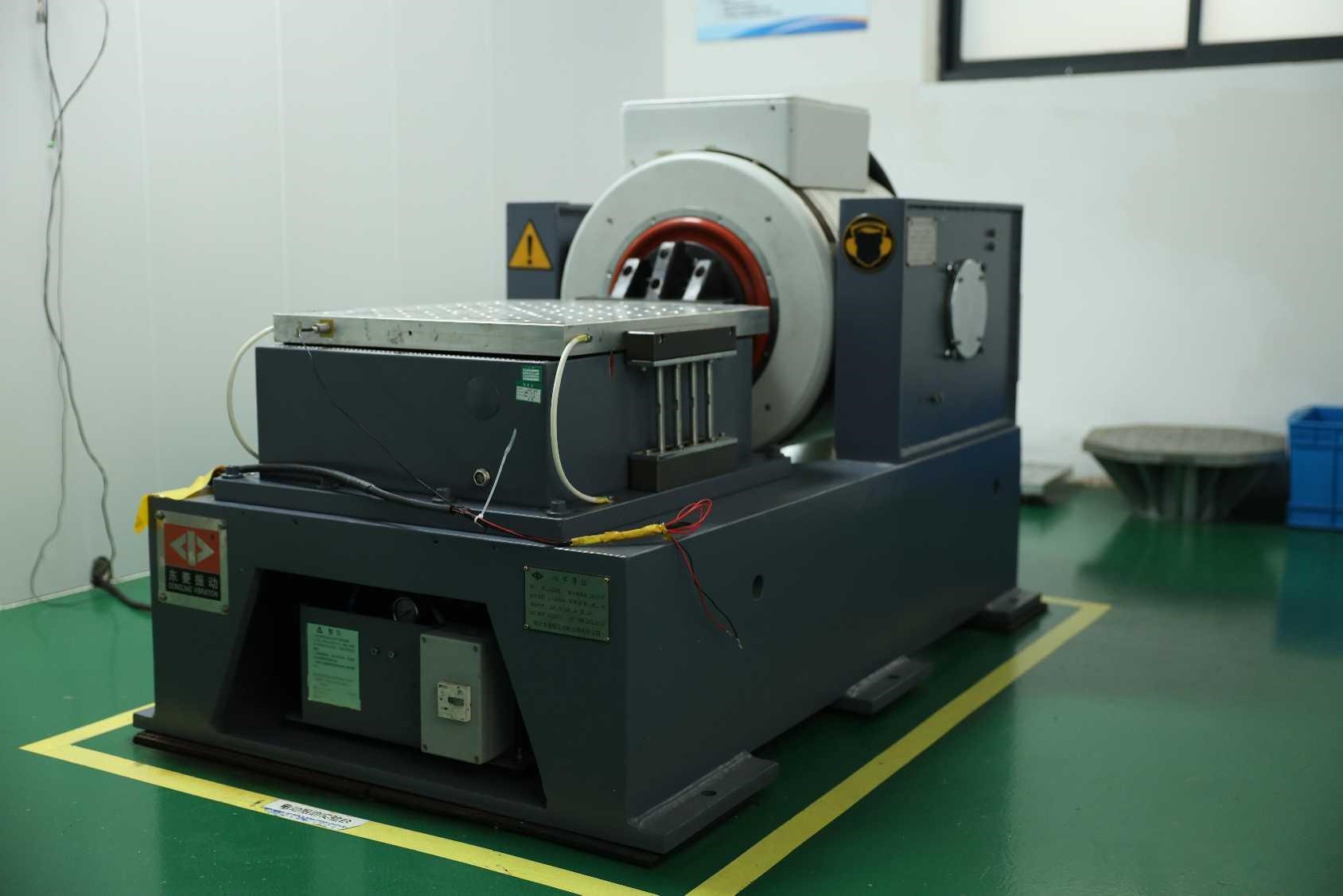
Reliability in DC axial flow fan design is a multifaceted approach that considers various factors to ensure optimal performance in high-reliability applications. From application understanding to structural design, motor control, environmental adaptability, and long-term reliability testing, every aspect of the fan’s design is meticulously engineered to deliver consistent, reliable performance in challenging environments.
In conclusion, high-end cooling fans are not defined by airflow alone. Reliability, noise control, long-term stability, and system integration are key factors that contribute to the performance of high-end cooling solutions. At SenharFans, we prioritize reliability and engineering discipline in our design philosophy to deliver cooling fans that exceed expectations in high-reliability applications.Title: The Comprehensive Guide to High-End Cooling Fans: Beyond Airflow Alone
Introduction
High-end cooling fans offer more than just airflow; they are engineered to deliver reliability, performance, and long-term stability. In the realm of high-reliability applications, such as industrial systems or critical electronic equipment, a cooling fan is not merely an accessory but a vital component that contributes to the overall system performance and safety.
The System, Not the Fan, Defines Performance
When it comes to high-end cooling solutions, performance is not solely determined by the fan itself but by the entire system it is integrated into. Factors such as system pressure, temperature