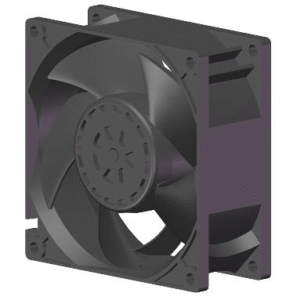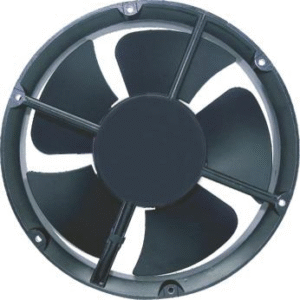
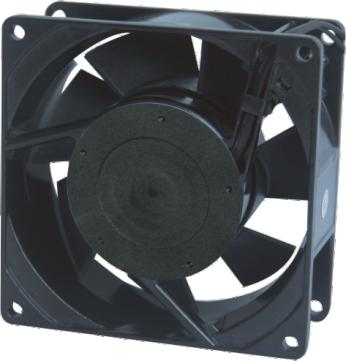
DC Axial Fan Selection Guide: How to Choose the Right Cooling Solution for Your Industrial Application
The Critical Importance of Proper Fan Selection
In industrial applications where equipment reliability can mean the difference between profitable operation and costly downtime, DC axial fan selection is far from a trivial decision. Yet many engineers and procurement teams make selection mistakes that lead to premature failures, energy waste, and compromised system performance.
Consider this real scenario: A major electronics manufacturer recently faced recurring failures in their control cabinet cooling systems. Despite selecting fans with adequate airflow ratings, they experienced three costly shutdowns in six months. The root cause? They chose fans based solely on CFM ratings without considering operating voltage, environmental conditions, or duty cycle requirements.
The total cost of these failures exceeded $180,000 in lost production, emergency replacements, and system redesign. This expensive lesson illustrates why proper DC fan selection requires a systematic approach that considers all critical performance factors, not just basic specifications.
Industrial cooling applications demand fans that deliver consistent performance across varying conditions while maintaining long-term reliability. Whether you’re designing HVAC cooling systems, managing thermal management in harsh environments, or developing OEM cooling solutions for international markets, understanding the fundamentals of DC axial fan technology and selection criteria is essential for project success.
Understanding DC Axial Fan Technology
Why DC Fans Outperform AC Alternatives
DC cooling fans have become the preferred choice for modern industrial applications due to several fundamental advantages over traditional AC fans:
Superior Speed Control: DC axial fans provide precise speed control through PWM (Pulse Width Modulation) signals, enabling dynamic adjustment to actual cooling requirements. This capability allows systems to operate quietly during low-demand periods while providing maximum cooling when needed.
Energy Efficiency: Modern brushless DC fans achieve 30-50% better energy efficiency compared to equivalent AC cooling fans. In continuous-operation applications, this efficiency advantage translates to substantial operational cost savings and reduced heat generation within equipment.
Longer Service Life: DC motor technology eliminates brushes and commutators, significantly reducing wear components. Quality DC fans typically achieve 50,000+ hour operational life compared to 20,000-30,000 hours for comparable AC units.
Intelligent Integration: DC fans can integrate directly with modern control systems, providing real-time speed feedback, temperature monitoring, and diagnostic capabilities impossible with traditional AC technology.
Brushless vs. Brushed DC Fan Technology
Understanding the distinction between brushless and brushed DC fans is crucial for selecting appropriate cooling solutions:
Brushless DC Fans use electronic switching to control motor operation, eliminating physical brush contact. This design provides:
- Longer operational life (50,000+ hours typical)
- Lower maintenance requirements
- Reduced electromagnetic interference
- Higher efficiency and precise speed control
- Better reliability in contaminated environments
Brushed DC Fans use physical brushes for commutation, offering:
- Lower initial cost
- Simpler control circuits
- Adequate performance for basic applications
- Shorter lifespan (10,000-20,000 hours typical)
For mission-critical cooling and industrial applications where reliability is paramount, brushless DC technology represents the optimal choice despite higher initial investment.
Critical Selection Parameters
Airflow Requirements and System Resistance
Proper airflow calculation forms the foundation of successful DC fan selection. Many selection errors occur because engineers focus on free-air airflow ratings without considering system resistance effects:
System Curve Analysis: Every cooling system has a unique resistance curve that affects actual airflow delivery. Filters, heat exchangers, ducting, and component layout create back-pressure that reduces fan performance from published free-air ratings.
Operating Point Determination: The intersection of fan performance curves with system resistance curves determines actual operating airflow. High-performance DC fans maintain better efficiency across varying system resistance compared to standard alternatives.
Safety Factors: Industrial cooling applications should include 15-25% safety margin above calculated requirements to account for:
- Filter loading over time
- Component aging effects
- Unexpected heat load increases
- Performance degradation in harsh environments
Voltage and Power Considerations
DC fan voltage selection significantly impacts system design flexibility and performance:
12V DC Fans: Most common for electronics cooling, computer applications, and low-power industrial systems. Readily available in numerous sizes with extensive speed control options.
24V DC Fans: Preferred for industrial automation and control system applications. Provide better efficiency for higher airflow requirements and longer cable runs.
48V DC Fans: Used in telecommunications, marine electronics, and high-power applications where maximum efficiency is critical.
Power Consumption Analysis: Calculate total system power requirements including:
- Continuous operation power draw
- Startup current requirements
- Multiple fan installations
- Control circuit power consumption
Environmental Conditions and Protection Requirements
Industrial environments subject DC cooling fans to conditions far more severe than typical commercial applications:
Temperature Extremes: Standard DC fans typically operate from 0°C to +70°C. Industrial-grade fans extend this range to -40°C to +125°C through advanced materials and bearing systems.
Humidity and Moisture: Marine applications and outdoor installations require fans with appropriate IP ratings:
- IP54: Basic protection against dust and water splashing
- IP65: Complete dust protection and water jet resistance
- IP68: Waterproof protection for harsh marine environments
Vibration and Shock: Mobile applications and industrial machinery subject fans to continuous vibration. High-reliability DC fans incorporate reinforced bearings and mounting systems tested to military vibration standards.
Chemical Compatibility: Exposure to cleaning chemicals, salt spray, or industrial processes requires specialized coatings and materials that resist corrosion and degradation.
Application-Specific Selection Guidelines
Control Cabinet and Electronics Cooling
Control cabinet cooling represents one of the most common DC fan applications in industrial settings:
Sizing Considerations: Calculate heat load from:
- Power dissipation of installed components
- Ambient temperature conditions
- Solar heat gain (for outdoor cabinets)
- Safety factors for component aging
Airflow Pattern Design: Effective cabinet cooling requires proper air circulation:
- Intake fans at bottom of cabinet (cool air entry)
- Exhaust fans at top of cabinet (hot air removal)
- Internal baffling to prevent air recirculation
- Filter systems for contaminated environments
Noise Requirements: Occupied areas may require low-noise DC fans with sound levels below 45 dBA. Variable speed control allows noise reduction during low-demand periods.
Example Selection: For a typical 500W heat load cabinet in 35°C ambient:
- Required airflow: approximately 250 CFM
- Recommended: Dual 120mm DC fans with variable speed control
- Features: IP54 protection, ball bearing construction, PWM speed control
HVAC and Ventilation Applications
HVAC cooling systems benefit significantly from DC fan technology:
Energy Efficiency Requirements: Building codes increasingly mandate high-efficiency HVAC equipment. EC fan technology (electronically commutated DC fans) can reduce HVAC energy consumption by 30-50% compared to traditional systems.
Variable Speed Operation: HVAC systems with variable speed DC fans automatically adjust airflow based on:
- Actual temperature demands
- Occupancy sensors
- Time-of-day scheduling
- Building management system inputs
Integration Capabilities: Modern DC HVAC fans provide:
- BACnet communication for building automation
- Real-time performance monitoring
- Predictive maintenance alerts
- Remote speed control and status reporting
Marine and Maritime Applications
Marine ventilation and cooling present unique challenges requiring specialized DC fan solutions:
Corrosion Resistance: Maritime environments demand fans with advanced protective coatings:
- Parylene conformal coating for electronic components
- Marine-grade aluminum or stainless steel housings
- Sealed bearing systems to prevent salt water ingress
Power System Compatibility: Marine electrical systems typically use 12V or 24V DC power, making DC fans ideal for:
- Engine room ventilation
- Electronics cooling in navigation equipment
- Cabin ventilation systems
- Generator room cooling
Vibration Tolerance: Marine installations subject fans to constant vibration and occasional shock loads. Marine-qualified DC fans feature:
- Reinforced bearing systems rated for continuous vibration
- Flexible mounting systems to isolate shock loads
- Balanced impellers to minimize vibration transmission
Automotive and Mobile Equipment
Mobile cooling applications require DC fans optimized for vehicle electrical systems:
Voltage Stability: Vehicle electrical systems experience significant voltage variations. Automotive DC fans must operate reliably across voltage ranges from 10V to 16V while maintaining consistent performance.
Compact Design: Space constraints in mobile applications require high-efficiency DC fans that maximize airflow in minimal space. Advanced impeller designs achieve superior performance in compact packages.
EMC Compliance: Automotive applications must meet strict electromagnetic compatibility requirements. DC motor controllers incorporate filtering and shielding to prevent interference with vehicle electronics.
Advanced Features and Technologies
Smart Fan Technology and IoT Integration
Modern industrial DC fans increasingly incorporate intelligent features that enable advanced system optimization:
Sensor Integration: Smart DC fans include built-in sensors for:
- Real-time speed monitoring
- Temperature measurement
- Vibration detection
- Power consumption tracking
Communication Capabilities: Advanced fans support multiple communication protocols:
- PWM speed control with tachometer feedback
- I2C digital communication for system integration
- Modbus RTU for industrial automation systems
- Wireless connectivity for remote monitoring
Predictive Maintenance: IoT-enabled DC fans analyze operational data to:
- Predict bearing failure before it occurs
- Optimize maintenance scheduling
- Reduce unexpected downtime
- Extend overall system life
Variable Speed Control Options
DC fan speed control provides significant advantages for optimizing system performance:
PWM Control: Pulse Width Modulation offers precise speed control with:
- Linear speed response across full operating range
- Low electrical noise generation
- Compatibility with most control systems
- Energy-efficient operation at all speeds
0-10V Analog Control: Some applications prefer analog speed control:
- Simple integration with building management systems
- Compatible with existing HVAC controls
- Smooth, continuous speed adjustment
- Lower cost for basic applications
Digital Communication Control: Advanced systems use digital protocols:
- Precise speed setting and monitoring
- Multiple fan control from single interface
- Integration with supervisory control systems
- Advanced diagnostic capabilities
Custom Design and OEM Solutions
Many industrial applications require customized DC fans that standard products cannot address:
Custom Airflow Requirements: OEM applications often need specific performance characteristics:
- Non-standard airflow and pressure combinations
- Unique mounting configurations
- Specialized environmental protection
- Integration with proprietary control systems
Modified Electrical Specifications: Custom applications may require:
- Non-standard operating voltages
- Specialized control interfaces
- Custom cable lengths and connectors
- Integrated sensors or monitoring systems
Regulatory Compliance: International OEM manufacturers require fans that meet specific regional standards:
- CE marking for European markets
- UL listing for North American applications
- Military specifications for defense applications
- Marine certifications for maritime use
Quality and Reliability Considerations
Manufacturing Standards and Certifications
Industrial DC fan applications demand suppliers with appropriate quality certifications and manufacturing standards:
ISO 9001 Quality Management: Ensures consistent manufacturing processes and quality control throughout production. Critical for applications where fan failure could cause system downtime or safety issues.
Military Standards: Applications requiring maximum reliability often specify fans manufactured to military standards:
- GJB 9001C: Chinese military quality standard
- AS9100: Aerospace quality management
- MIL-STD testing: Environmental and performance validation
Industry-Specific Certifications: Specialized applications require relevant certifications:
- ATEX approval for explosive atmosphere applications
- Marine type approval for commercial vessel installations
- Railway standards for transportation applications
Testing and Validation Requirements
Reliable DC fans undergo comprehensive testing to verify performance and durability:
Environmental Testing: Fans for industrial applications should complete:
- Temperature cycling testing (-40°C to +125°C)
- Humidity resistance testing (95% RH conditions)
- Vibration testing (10-500 Hz across multiple axes)
- Salt spray testing (96+ hours for marine applications)
Performance Validation: Critical specifications require verification:
- Airflow measurement across full speed range
- Power consumption verification at all operating points
- Noise level testing in controlled acoustic environment
- EMC testing for electromagnetic compatibility
Life Testing: Long-term reliability requires accelerated life testing:
- Continuous operation testing at maximum conditions
- Temperature cycling to simulate real-world conditions
- Start/stop cycling to verify bearing durability
- Performance degradation monitoring throughout test period
Supplier Evaluation Criteria
Selecting the right DC fan supplier is crucial for project success:
Technical Capability: Evaluate supplier’s engineering expertise:
- Application engineering support for custom requirements
- Thermal analysis capabilities for system optimization
- Rapid prototyping for custom designs
- Field application experience in similar environments
Manufacturing Quality: Assess production capabilities:
- Quality system certifications relevant to your industry
- Production capacity for required volumes
- Supply chain management for consistent component quality
- Testing facilities for performance validation
Support Services: Consider ongoing support requirements:
- Technical support availability and responsiveness
- Local representation for international applications
- Warranty coverage and field service capabilities
- Obsolescence management for long-term applications
Cost Analysis and Total Ownership Considerations
Initial Cost vs. Lifecycle Value
DC fan selection decisions often focus too heavily on initial purchase price without considering total cost of ownership:
Purchase Price Factors: Initial cost considerations include:
- Base fan cost for required specifications
- Quantity discounts for volume purchases
- Custom engineering costs for specialized requirements
- Certification costs for regulatory compliance
Operational Costs: Ongoing expenses throughout fan life:
- Energy consumption costs (typically 60-80% of total cost)
- Maintenance requirements and scheduled replacements
- Downtime costs associated with fan failures
- Environmental compliance costs
Value Engineering Opportunities: High-efficiency DC fans often provide:
- Energy savings that recover higher initial cost within 1-2 years
- Extended service life reducing replacement frequency
- Reduced maintenance through improved reliability
- System optimization through better control capabilities
Energy Efficiency Analysis
Energy-efficient DC fans provide substantial operational savings in continuous-operation applications:
Efficiency Comparison: Premium DC fans achieve 60-80% efficiency compared to 40-60% for standard alternatives. In a typical industrial application:
- Standard fan: 100W continuous power consumption
- High-efficiency fan: 65W continuous power consumption
- Annual savings: 300+perfan(assuming300+ per fan (assuming 0.10/kWh)
Variable Speed Benefits: DC fans with speed control provide additional savings:
- 50% speed operation: Approximately 12.5% of full-speed power consumption
- Automatic speed adjustment: Maintains temperature while minimizing energy use
- Peak demand reduction: Lower electrical demand charges
System-Level Optimization: Efficient cooling fans enable:
- Reduced HVAC loads through better heat removal
- Improved component life through better temperature control
- Enhanced system efficiency through optimal operating temperatures
Installation and Integration Guidelines
Proper Mounting and Mechanical Installation
Successful DC fan installation requires attention to mechanical mounting and environmental protection:
Mounting Orientation: Consider airflow direction and gravitational effects:
- Vertical mounting: Reduces bearing load and extends life
- Horizontal mounting: May require upgraded bearings for continuous operation
- Inverted mounting: Should be avoided unless specifically designed for this orientation
Vibration Isolation: Industrial environments often require vibration isolation:
- Rubber mounting systems reduce vibration transmission
- Flexible connections prevent duct vibration from affecting fan mounting
- Structural isolation prevents building vibration from reaching fans
Environmental Protection: Protect fans from environmental hazards:
- Intake filters for dust and contamination protection
- Drainage provisions for condensation removal
- Weatherproof enclosures for outdoor installations
Electrical Connection and Control Integration
Proper electrical installation ensures reliable operation and optimal performance:
Power Supply Requirements: DC fan systems require appropriate power supplies:
- Regulated DC power for consistent performance
- Adequate current capacity including startup surge requirements
- Electrical isolation for safety in industrial environments
Control System Integration: Modern DC fans integrate with various control systems:
- Building automation systems for HVAC applications
- Industrial control systems for process cooling
- Stand-alone controllers for simple applications
Wiring Considerations: Industrial environments require robust wiring:
- Shielded cables for EMC compliance in high-noise environments
- Appropriate wire gauges for current capacity and voltage drop
- Environmental protection for connections and terminations
Troubleshooting and Maintenance
Common Performance Issues
Understanding DC fan troubleshooting helps maintain optimal system performance:
Reduced Airflow: Common causes include:
- Filter loading reducing system airflow
- Speed control malfunction limiting fan operation
- Bearing wear causing increased friction and reduced speed
- Voltage reduction from power supply issues
Increased Noise: Noise issues often indicate:
- Bearing degradation causing mechanical noise
- Impeller damage from foreign objects or corrosion
- Mounting looseness causing vibration and resonance
- Electrical noise from control system interference
Premature Failure: Early failures typically result from:
- Environmental contamination exceeding fan protection capabilities
- Overvoltage conditions damaging motor windings
- Excessive temperature operation beyond rated limits
- Installation errors causing mechanical stress or improper operation
Preventive Maintenance Strategies
Proactive maintenance significantly extends DC fan life and maintains performance:
Regular Inspections: Schedule periodic inspections for:
- Visual examination of housing, mounting, and connections
- Performance monitoring including airflow and power consumption
- Vibration analysis to detect bearing degradation
- Electrical testing to verify proper control system operation
Filter Maintenance: Clean or replace intake filters according to:
- Environmental conditions and contamination levels
- Pressure drop monitoring across filter systems
- Manufacturer recommendations for filter service intervals
- System performance degradation indicators
Predictive Maintenance: Advanced systems enable condition monitoring:
- Vibration sensors detect bearing wear progression
- Temperature monitoring identifies thermal issues before failure
- Current signature analysis reveals motor degradation
- Performance trending shows gradual degradation over time
Future Trends and Technology Development
Emerging Technologies in DC Fan Design
Next-generation DC fans incorporate advanced technologies that improve performance and capabilities:
Magnetic Bearing Systems: Contactless bearing technology offers:
- Unlimited service life with no wearing components
- Ultra-quiet operation without mechanical noise
- Precise speed control with instant response
- Clean room compatibility without lubricant contamination
Advanced Materials: New material technologies provide:
- Lightweight construction for mobile and aerospace applications
- Enhanced corrosion resistance for marine and chemical environments
- Improved thermal performance for high-temperature applications
- Recyclable components for environmental sustainability
Integrated Intelligence: Smart fan systems include:
- Artificial intelligence for predictive maintenance and optimization
- Wireless connectivity for remote monitoring and control
- Edge computing capabilities for local system optimization
- Blockchain integration for supply chain verification and component traceability
Industry 4.0 and IoT Integration
Industrial IoT transforms DC fan applications through connected systems:
Real-Time Monitoring: IoT-enabled fans provide:
- Continuous performance data for system optimization
- Predictive failure alerts before critical issues occur
- Energy consumption tracking for efficiency optimization
- Remote diagnostic capabilities reducing service calls
System Integration: Connected fans enable:
- Building-wide optimization coordinating multiple systems
- Demand response integration with smart grid systems
- Automated maintenance scheduling based on actual component condition
- Performance benchmarking across similar installations
Selecting the Right Partner for Your DC Fan Requirements
Why SenharFans Leads in DC Cooling Solutions
At SenharFans, we understand that DC axial fan selection involves far more than matching airflow specifications to application requirements. Our engineering team combines deep technical expertise with extensive field experience to help customers select optimal cooling solutions that deliver reliable performance throughout demanding operational lifecycles.
Application Engineering Excellence: Our thermal management specialists provide comprehensive support throughout the selection process:
- Detailed thermal analysis including CFD modeling for complex applications
- Custom design capabilities for unique requirements that standard products cannot address
- Prototype development and testing to validate performance before production commitment
- Field application support throughout installation, commissioning, and ongoing operation
Proven Reliability: SenharFans DC fans operate successfully in mission-critical applications worldwide:
- Military and defense systems where failure is not acceptable
- Marine installations subject to harsh environmental conditions
- Industrial process control requiring 24/7 reliable operation
- HVAC systems demanding years of maintenance-free service
Comprehensive Product Portfolio
Our DC axial fan product line addresses the full spectrum of industrial cooling requirements:
Standard Product Lines: Extensive selection of proven designs:
- 12V, 24V, and 48V DC fans from 25mm to 280mm sizes
- High-efficiency brushless designs with 50,000+ hour operational life
- Variable speed control with PWM, analog, and digital interfaces
- Industrial-grade construction with IP54 to IP68 environmental protection
Custom Engineering Capabilities: Specialized solutions for unique requirements:
- Modified airflow and pressure characteristics for specific applications
- Custom electrical specifications including non-standard voltages and interfaces
- Environmental modifications for extreme temperature, vibration, or chemical resistance
- Regulatory compliance for international markets and specialized industries
Quality Assurance and Manufacturing Excellence
SenharFans manufacturing processes meet the highest industry standards:
Quality Certifications: Our facilities maintain certifications relevant to demanding applications:
- GJB 9001C-2017: Chinese military quality management standard
- ISO 9001: International quality management standard
- Class II Security Qualification: Enabling support for sensitive applications
Comprehensive Testing: Every DC fan undergoes rigorous testing:
- 48-hour burn-in testing to eliminate early failures
- Performance verification across full operating range
- Environmental testing including temperature, humidity, vibration, and EMC
- Quality documentation providing complete traceability
Global Support and Service
International OEM customers require suppliers capable of providing support throughout global markets:
Technical Support: Our engineering team provides worldwide support:
- 24/7 technical hotline for critical application support
- Local field service through our global partner network
- Remote diagnostic capabilities for IoT-enabled products
- Application training for customer engineering teams
Supply Chain Excellence: Reliable delivery performance supports customer production schedules:
- Flexible order quantities from prototype to high-volume production
- Predictable lead times with 3-4 week standard delivery
- Strategic inventory management for critical applications
- Obsolescence management ensuring long-term product availability
Take the Next Step Toward Optimal Cooling Performance
Selecting the right DC axial fan for your application requires careful analysis of multiple technical and commercial factors. The decision impacts not just initial system performance, but long-term reliability, energy costs, and maintenance requirements throughout the product lifecycle.
Whether you’re developing next-generation HVAC systems, designing mission-critical electronics cooling, or creating industrial equipment for global markets, SenharFans provides the technical expertise and product capabilities to ensure optimal performance.
Start Your Project With Expert Consultation
Our thermal management specialists are ready to discuss your specific requirements and recommend optimal DC cooling solutions:
Free Application Analysis: We provide comprehensive evaluation including:
- Thermal load calculation and system analysis
- Performance optimization recommendations
- Custom design proposals for specialized requirements
- Total cost of ownership analysis comparing alternatives
Rapid Response: Critical projects receive priority attention:
- Technical consultation within 24 hours of inquiry
- Custom quotes for specialized requirements within 48 hours
- Prototype samples available for evaluation and testing
- Expedited delivery for urgent project requirements
Don’t compromise on cooling reliability. Contact SenharFans today for DC axial fan solutions that deliver the performance your applications demand.
📧 Email: sales@senharfans.com
🌐 Website: www.senharfans.com
📞 Technical Hotline: 008613812390890
For immediate assistance with critical cooling requirements, our technical team provides emergency consultation and expedited support services worldwide.
SenharFans – Advanced DC Cooling Technology
Engineered for Performance, Manufactured for Reliability