Why Do Cooling Fans Fail Earlier Than Expected? 8 Factors Engineers and Buyers Should Check
Introduction
A cooling fan may look like a relatively simple component, but its reliability depends on much more than the motor and impeller.
In industrial equipment, electronic cabinets, HVAC systems, communication equipment, radar systems, marine electronics, and other demanding applications, a fan may operate continuously for thousands of hours. During this time, it can be exposed to high temperature, humidity, dust, vibration, pressure resistance, and repeated start-stop cycles.
When a cooling fan fails earlier than expected, the problem is not always the fan itself.
The actual cause may be excessive system resistance, unsuitable operating conditions, poor airflow design, bearing stress, contamination, inadequate electrical protection, or simply selecting a fan based on catalogue airflow rather than the real application.
For OEM manufacturers and system integrators, understanding these factors can help prevent premature failures and improve the reliability of the entire thermal management solution.
1. Operating Temperature Is Higher Than Expected
Temperature is one of the most important factors affecting cooling fan life.
A fan operating at room temperature and a fan operating continuously inside a 60°C industrial enclosure experience very different conditions.
Higher ambient temperatures can increase:
- Motor winding temperature
- Bearing temperature
- Electronic component temperature
- Lubricant degradation
- Material stress
The temperature inside an equipment enclosure can also be considerably higher than the surrounding environment because of heat generated by power supplies, processors, drives, converters, and other components.
Therefore, fan selection should be based on the actual operating temperature, not simply the room temperature during laboratory testing.
For an OEM project, it is useful to provide the fan supplier with both the minimum and maximum expected ambient temperatures.
2. The Fan Is Operating Too Close to Its Pressure Limit
Another common cause of poor fan performance is excessive system resistance.
A cooling fan may perform well in free-air testing but deliver much less airflow after installation.
Resistance can come from:
- Air filters
- Protective grilles
- Heat sinks
- Narrow airflow channels
- Ducts
- Electronic components
- Dirty filters
- Small cabinet openings
When the actual system resistance is too high, the fan may operate at a much lower airflow point than expected.
This is why a professional fan selection should consider the complete P-Q curve.
For example, selecting a fan simply because it provides “200 CFM” can be misleading if the system requires significant static pressure.
For control cabinet cooling, industrial ventilation, and equipment with filters, static pressure should always be considered alongside airflow.
3. Dust and Contamination Can Gradually Reduce Performance
Dust is particularly important for outdoor and industrial equipment.
Over time, dust can accumulate on:
- Fan blades
- Protective grilles
- Filters
- Heat sinks
- Motor components
This can increase resistance and reduce the amount of air moving through the equipment.
In severe environments, contaminants can also affect bearings and electronic components.
Applications such as outdoor telecom cabinets, industrial control cabinets, desert equipment, and some marine installations therefore require appropriate protection and maintenance strategies.
Depending on the application, engineers may consider:
- Appropriate IP protection
- Filter design
- Conformal coating
- Sealed or protected bearings
- Regular filter maintenance
- Fan monitoring
The objective is not simply to protect the fan. It is to maintain the required cooling performance throughout the equipment’s operating life.
4. Humidity and Condensation Can Affect Electronics
High humidity is not necessarily a problem by itself.
Condensation can be more challenging.
When equipment moves between different temperatures, moisture may condense on surfaces and electronic components.
This can create risks such as:
- Corrosion
- Electrical leakage
- PCB contamination
- Short circuits
- Reduced electronic reliability
For equipment installed in coastal areas, marine environments, outdoor cabinets, or applications with large temperature changes, environmental protection should be considered during the design stage.
Depending on requirements, protective measures may include:
- Conformal coating
- Appropriate sealing
- Protected electrical connections
- Suitable enclosure design
- Condensation management
For demanding applications, the cooling fan should be evaluated as part of the complete environmental protection strategy.
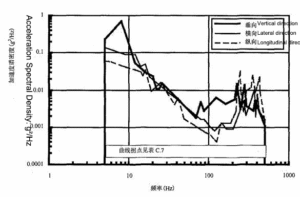
5. Vibration Can Affect Long-Term Fan Reliability
Vibration is another factor that is sometimes overlooked during fan selection.
Industrial machinery, transportation equipment, marine systems, and airborne electronics can all expose cooling fans to mechanical vibration.
Continuous vibration can influence:
- Bearings
- Mounting structures
- Fan frames
- Fasteners
- Electrical connections
- Rotor balance
For marine ventilation, naval systems cooling, radar cooling, and airborne electronics cooling, mechanical compatibility should therefore be considered together with airflow performance.
A fan intended for a stationary indoor cabinet does not necessarily have the same requirements as a fan installed on a ship or aircraft.
The mounting method is also important. Even a well-designed fan can experience unnecessary mechanical stress if the installation structure is not suitable.
6. Incorrect Voltage or Control Can Reduce Fan Life
Electrical conditions also affect reliability.
Before selecting a DC or AC cooling fan, engineers should verify:
- Nominal voltage
- Operating voltage range
- Starting voltage
- Current consumption
- Start-stop frequency
- Speed-control method
- Protection functions
For variable-speed applications, the control signal should also be compatible with the fan.
Depending on the model, control may involve:
- PWM
- 0–10 V
- Tachometer feedback
- Alarm output
- Temperature-based control
A properly controlled fan does not always need to operate at maximum speed.
In applications where thermal load changes significantly, variable-speed operation can reduce energy consumption and acoustic noise while helping maintain the required temperature.
7. Fan Selection Based Only on Price Can Increase Lifecycle Cost
For industrial and mission-critical equipment, the lowest purchase price is not necessarily the lowest overall cost.
A fan that costs less but needs frequent replacement can create additional costs through:
- Maintenance labour
- Equipment downtime
- Replacement inventory
- Service visits
- Production interruptions
- Emergency shipping
This is especially important for equipment installed in remote locations or systems where maintenance access is difficult.
For this reason, buyers should consider the total cost of ownership.
Important factors include:
- Expected service life
- Bearing quality
- Manufacturing consistency
- Environmental capability
- Energy consumption
- Product availability
- Replacement compatibility
- Supplier support
A reliable high reliability cooling system should be evaluated over its expected lifecycle rather than only at the initial purchasing stage.
8. Manufacturing Quality Matters as Much as Product Design
Even a well-designed cooling fan can have reliability problems if manufacturing quality is inconsistent.
For OEM customers, it is therefore useful to understand how the supplier controls production.
Important areas include:
Rotor Balancing
Proper dynamic balancing can help reduce vibration and mechanical stress.
Motor Assembly
Consistent winding, assembly, and electrical inspection are important for stable motor performance.
Bearing Installation
Bearing quality and assembly accuracy directly influence operating life.
PCB Quality
For brushless DC and electronically controlled fans, the quality and protection of the control electronics are important.
Aging and Testing
Production testing and aging procedures can help identify potential problems before products are shipped.
For long-term OEM programs, manufacturing traceability and process control can be just as important as the catalogue specifications.
What Should Buyers Check Before Ordering Cooling Fans?
If you are purchasing fans for an industrial project, it is useful to prepare a clear technical specification before requesting quotations.
At minimum, consider:
Performance
- Required airflow
- Required static pressure
- Operating point
- Noise requirement
Mechanical
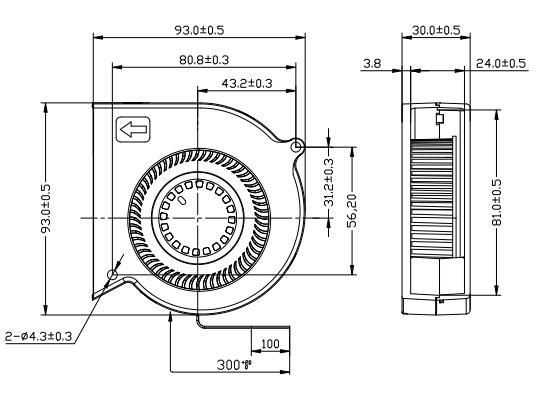
- Fan dimensions
- Mounting hole pattern
- Installation direction
- Connector
- Cable length
Electrical
- Voltage
- Current
- Power
- PWM or analogue control
- Tachometer or alarm requirements
Environmental
- Operating temperature
- Humidity
- Dust
- Water exposure
- Salt spray
- Vibration and shock
Lifecycle
- Expected operating hours
- Duty cycle
- Maintenance requirements
- Expected product lifetime
- Long-term supply requirements
Providing these details to an OEM fan supplier allows the supplier to recommend a product based on the actual application rather than simply selecting the closest catalogue model.
SenharFans: From Standard Fans to OEM Cooling Solutions
SenharFans provides thermal management products for industrial and demanding electronic applications.
Our product range includes:
- DC Axial Flow Fans
- DC Condensing Fans
- DC Blower Fans
- AC Axial Flow Fans
Our products can support applications including:
- HVAC systems
- Control cabinet cooling
- Radar cooling
- Marine ventilation
- Naval systems cooling
- Airborne electronics cooling
- Industrial equipment cooling
For customers requiring specific performance or mechanical configurations, SenharFans also supports OEM/ODM development.
Depending on the project, requirements can include:
- Custom dimensions
- Airflow and pressure performance
- Voltage
- Connector and cable configuration
- Speed-control functions
- Environmental protection
- Noise requirements
- Mechanical interface
Our engineering team can work with customers to understand the actual application and develop a practical OEM cooling solution.
A Reliable Fan Starts With the Right Application Data
Premature fan failure is rarely caused by one single factor.
Temperature, pressure, contamination, humidity, vibration, electrical conditions, installation, and manufacturing quality can all influence the final result.
This is why selecting an industrial cooling fan should begin with the application—not simply with a catalogue number.
For OEM manufacturers, distributors, and system integrators, providing accurate operating information to the fan supplier can significantly improve the selection process.
The right axial fan, cooling fan, ventilation fan, or EC fan should deliver the required performance under the actual conditions where it will operate.
Conclusion
A cooling fan is a small component, but it can have a significant influence on the reliability of the equipment it protects.
If a fan is selected only according to free-air airflow or unit price, important factors may be overlooked.
A more reliable approach is to evaluate:
- Heat load
- Operating temperature
- System resistance
- Airflow path
- Dust and humidity
- Vibration and shock
- Electrical conditions
- Manufacturing quality
- Lifecycle requirements
This approach is particularly important for mission-critical cooling, where a cooling failure can affect the performance of the entire system.
At SenharFans, we believe that good thermal management starts with understanding the real application.
Are you looking for a reliable OEM fan supplier for your next project?
Send us your application requirements, including airflow, static pressure, voltage, dimensions, temperature, and environmental conditions.
📧 sales@senharfans.com
🌐 senharfans.com
SenharFans — practical thermal management solutions for demanding applications.